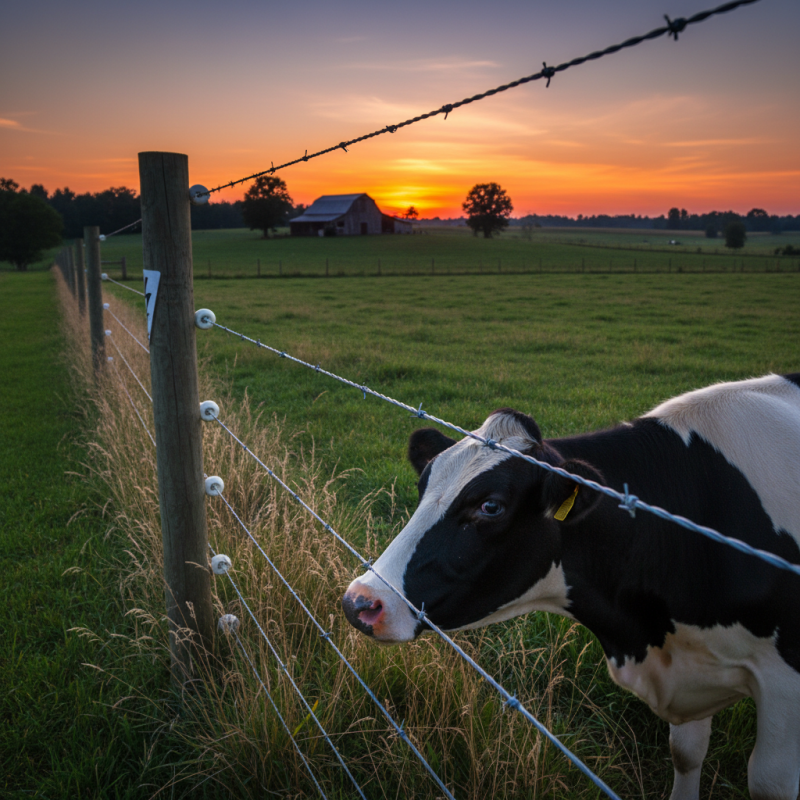
What is a high voltage output electric fence and how does it work?
high voltage output electric fence systems serve as a powerful barrier. These fences are designed to keep livestock safe and intruders out. Their operation is fascinating yet simple.
A high voltage output electric fence uses a significant electrical charge. This charge delivers a brief shock when a person or animal touches the wire. The shock is not lethal, but it is enough to deter curious animals. This effectiveness makes it popular in farms and properties.
However, challenges exist. Proper installation is crucial. If not installed correctly, a fence might fail to protect. Regular maintenance is also needed to ensure it runs efficiently. It is essential to understand the risks and responsibilities that come with using such a system.
What is a High Voltage Output Electric Fence?
A high voltage output electric fence is an effective tool for keeping livestock safe and secure. It operates by delivering a short, high-voltage shock when an animal or person touches the wire. This shock is unpleasant but not dangerous. The purpose is to deter animals from trying to cross the fence.
The system works with a power source, usually a battery or solar panel. This source sends energy to the fence wires. The wires are often made from metal, which conducts electricity well. When an animal makes contact, a circuit is completed, and the voltage surges briefly. This reaction trains animals to respect the boundary.
Tips: Ensure the fence is well-maintained. Check for broken wires or vegetation shorting out the circuit. Regular inspections prevent failures.
Another important consideration is the placement of the fence. Be mindful of surrounding hazards like trees or metal objects. They can interfere with the electric flow. A clear perimeter ensures
optimal functioning.
Tips: Power adjustments may be necessary. Factors like weather or animal type can affect how the fence works. Experiment to find the best settings.
Components of a High Voltage Electric Fence System
A high voltage electric fence serves as a robust barrier for various applications. It is a crucial security measure for farms, properties, and other perimeters. The components of a high voltage electric fence system typically include an energizer, fence wire, insulators, and grounding rods. The energizer generates high-voltage pulses, typically between 1,000 to 10,000 volts, which travel along the fence wire.
The fence wire conducts electric pulses that deter intruders. Insulators play a key role by preventing the electricity from grounding in unwanted areas. These components ensure that the system operates efficiently. In fact, reports from the Electric Fence Industry show that a properly installed high voltage fence can reduce trespassing by over 70%. Grounding rods help dissipate excess voltage safely into the earth. This ensures the system remains functional even during adverse weather conditions.
However, running such a system requires careful planning and installation. Overly powerful energizers may ruin the circuit or cause unintended harm. Moreover, improper installation might lead to gaps in the safety barrier, effectively nullifying its purpose. The balance between high voltage and safety must always be monitored. The technology behind electric fences continues to evolve, but the fundamental need for secure enclosures remains constant.
How High Voltage Electric Fences Generate and Deliver Voltage
High voltage electric fences operate by generating a powerful electrical charge. The system uses a fence energizer to convert low voltage from a power source into high voltage. This charge is then delivered along the fence line. When an animal or unauthorized person touches the fence, a shock is experienced. This shock serves as a deterrent without causing lasting harm.
According to industry reports, typical high voltage outputs range from 2,000 to 10,000 volts. This level of voltage is sufficient to provide a painful shock. However, the effectiveness relies on proper installation and maintenance. Failure to do so can lead to lower output, compromising the fence's deterrent ability. An improperly grounded fence may also result in inconsistent voltage levels.
Many users overlook regular inspections. This neglect can lead to issues such as faulty wires or broken insulators. A damaged fence might not deliver the high voltage needed for effectiveness. Understanding these potential pitfalls is crucial. Regular maintenance can significantly enhance the performance of high voltage electric fences.
Understanding the Safety Features of High Voltage Electric Fences
High voltage electric fences are designed to secure property while ensuring safety. These fences deliver a high-voltage shock when touched, deterring intruders and animals from crossing boundaries. The shock is momentary and non-lethal, intended to discourage rather than cause harm.
Safety features are crucial when designing these systems. According to industry reports, compliance with safety standards reduces accidents significantly. Fences are often equipped with features like warning signs and volt meters. Protective grounding is essential to prevent shock from stray voltage. Additionally, energizers are designed to cut off power in case of faults.
Despite safety measures, improper installation can cause issues. Many users underestimate the need for regular inspections. Neglect can lead to malfunctions, compromising safety. Regular maintenance is essential to ensure effectiveness. Understanding the technology is vital for safe use. High voltage electric fences can be effective, but it’s crucial to approach installation and maintenance seriously.
Common Uses and Applications of High Voltage Electric Fences
High voltage electric fences serve various purposes across different sectors. In agriculture, they protect crops and livestock from wild animals. Farmers often install these fences to deter deer, raccoons, and other pests. The strong jolt from the fence keeps animals at bay without harming them. Many ranchers use these fences as a boundary marker. This helps keep livestock safe within areas where they can graze freely.
In urban settings, high voltage electric fences are becoming popular for security. Property owners often use them to secure their premises. Besides business properties, homeowners install these fences to protect their gardens and backyards. The visual deterrent also prevents unauthorized access, making it a valuable tool for safety. Yet, there are challenges. Some people may forget the fence is electrified, leading to accidents. It’s important to educate others about its presence and function. Proper signage and awareness can help minimize risks.