How to Choose the Right LPG Storage Tank for Your Needs?
The choice of an LPG Storage Tank is crucial for various industries. As reported by the National Fire Protection Association (NFPA), improper storage can lead to accidents. Understanding the capacity, material, and safety features of LPG tanks is essential. The United States uses over 300 million gallons of LPG annually, highlighting the need for reliable storage solutions.
Choosing the right tank can be overwhelming. Factors like size, installation, and maintenance come into play. In fact, a survey by the Compressed Gas Association indicates that 35% of users underestimate tank lifespan. This miscalculation can lead to unnecessary costs and safety risks.
Many overlook local regulations and site conditions when selecting an LPG Storage Tank. A tank that works in one area may not be suitable elsewhere. Thus, assessing environmental factors is vital. Choosing wisely can prevent significant challenges down the road, ensuring safety and efficiency in operations.
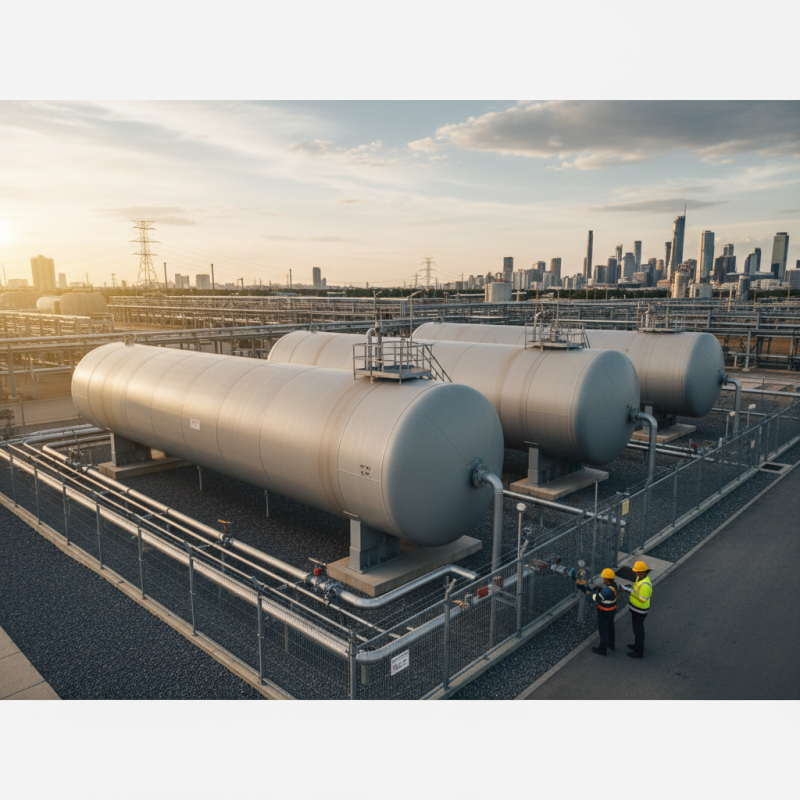
Understanding Different Types of LPG Storage Tanks Available on the Market
When choosing an LPG storage tank, it's crucial to understand the various types available. There are primarily three categories: above-ground tanks, underground tanks, and portable tanks. Above-ground tanks are common in residential settings. They are easy to install and inspect. However, they occupy more surface space. According to industry reports, these tanks can hold capacities ranging from 250 gallons to over 30,000 gallons, catering to diverse needs.
Underground tanks, on the other hand, are less visible and can be more aesthetically pleasing. They offer protection from extreme weather. Still, they require a complex installation process. The underground tanks must comply with safety regulations. This often increases upfront costs. Finally, portable tanks are convenient for temporary needs. These are often used in construction or outdoor events but come with limited storage capacity.
It's essential to carefully consider these factors. Capacity, installation type, and site conditions significantly affect your choice. Some users might overlook the benefits of regular maintenance. According to the National Fire Protection Association, poor maintenance practices account for a significant portion of accidents. Each type of tank has its own set of advantages and challenges that must be assessed based on individual requirements.
LPG Storage Tank Types Comparison
This chart displays the proximity to urban areas in percentage for different types of LPG storage tanks. Understanding these differences can help you choose the right tank based on your location and usage needs.
Factors to Consider for LPG Storage Tank Sizing and Capacity Requirements
Choosing the right LPG storage tank is crucial for safety and efficiency. The size of the tank is a primary factor. It must align with the specific needs of your operation. Industry studies suggest that a tank should hold at least 10% more than your expected usage. This extra capacity allows for fluctuations in demand and offers a buffer for unexpected needs.
Considering the physical space available is also vital. Tanks vary in dimensions. For example, a standard 1,000-gallon tank measures about 15 feet long. Ensure there’s enough room not just for the tank, but for safe access and maintenance. Research shows that improper installation spaces can lead to hazardous situations.
Don't overlook the local regulations. Different areas have distinct compliance requirements for LPG storage. Failing to meet these can result in serious penalties or safety risks. Moreover, evaluating the tank’s material is important. Steel tanks offer durability, while composite tanks are lightweight. Each choice presents its own set of pros and cons. Thoughtful examination is key. Always reassess your choices based on current and future needs, as the wrong decision can lead to high costs or operational issues.
Assessing Safety Features and Compliance Standards for LPG Tanks
When selecting an LPG storage tank, safety features are paramount. Look for tanks that incorporate pressure relief valves. These valves can prevent dangerous pressure buildup. Another crucial feature is corrosion resistance. Tanks made from durable materials minimize the risk of leaks. Regular inspection of these features is essential. If neglected, even the best tank can pose a risk.
Compliance with safety standards is also necessary. Each region may have its own regulations. Familiarize yourself with the local codes before purchase. This step can save you from costly mistakes later. Check for certification marks on the tank. These marks indicate that it meets safety standards. However, not all suppliers adhere to these standards consistently. Always do your research thoroughly.
It's essential to involve experts in your decision-making process. They can help assess the tank's suitability for your specific needs. Ignoring their advice could lead to problems later. Additionally, consider engaging in regular safety training. This training will keep you and your team updated on best practices. Sometimes, we overlook safety for convenience. This is where reflection is needed.
Evaluating Materials and Construction Quality for Longevity and Durability
When selecting an LPG storage tank, assessing the materials and construction quality is crucial for longevity and durability. Tanks are commonly made from steel or fiberglass. Steel tanks offer strength but may corrode over time. Fiberglass tanks resist rust but can crack under extreme pressure. Consider the tank's location and environmental factors when evaluating materials.
Tip: Inspect for corrosion resistance features. Look for coatings or treatments that enhance lifespan.
Another vital aspect is the tank's construction quality. Poorly constructed tanks can lead to leaks and safety hazards. Check for weld seams and joints. Well-fabricated tanks should have uniform seams. Ask about quality control measures taken during manufacturing.
Tip: Perform periodic inspections to catch issues early. It's better to address small problems than wait for a major failure.
Choosing the right tank is not just about capacity. It’s about ensuring safety and durability. Keep in mind that even small details matter significantly in the long run.
Cost Analysis: Budgeting for Purchase, Installation, and Maintenance of Tanks
When considering an LPG storage tank, budget plays a vital role. The initial purchase cost can vary significantly. Factors like tank size and materials influence the price. Research is essential to ensure you get a tank that meets your needs without overspending.
Installation costs can also add up quickly. Professional help is often necessary to ensure safety. You might need permits and inspections, depending on local regulations. Don’t forget to factor these into your total budget.
Ongoing maintenance is another important consideration. Regular checks and possible repairs can be costly. Allocating part of your budget for maintenance is wise. While it may seem unnecessary, it's essential for safety and longevity. Reflecting on your broader needs can prevent unexpected expenses.