Top 10 Automated Packaging Solutions for Modern Businesses?
In today's fast-paced marketplace, efficiency is critical for success. Automated packaging solutions are transforming how businesses operate. These technologies not only streamline processes but also reduce labor costs significantly. Companies are increasingly turning to automated packaging to meet rising consumer demands.
However, implementing automated packaging is not without its challenges. Many businesses struggle with the initial investment and the complexity of new systems. It's essential to carefully assess specific needs before choosing an automated packaging solution. Flexibility and scalability are crucial to ensure long-term viability.
As we explore the top 10 automated packaging solutions, a diverse range of options will be highlighted. Each solution has unique advantages and drawbacks. This guide aims to help modern businesses make informed decisions about automated packaging. Finding the right fit could enhance operational efficiency and boost productivity in today's competitive landscape.
Emerging Trends in Automated Packaging Solutions for Businesses
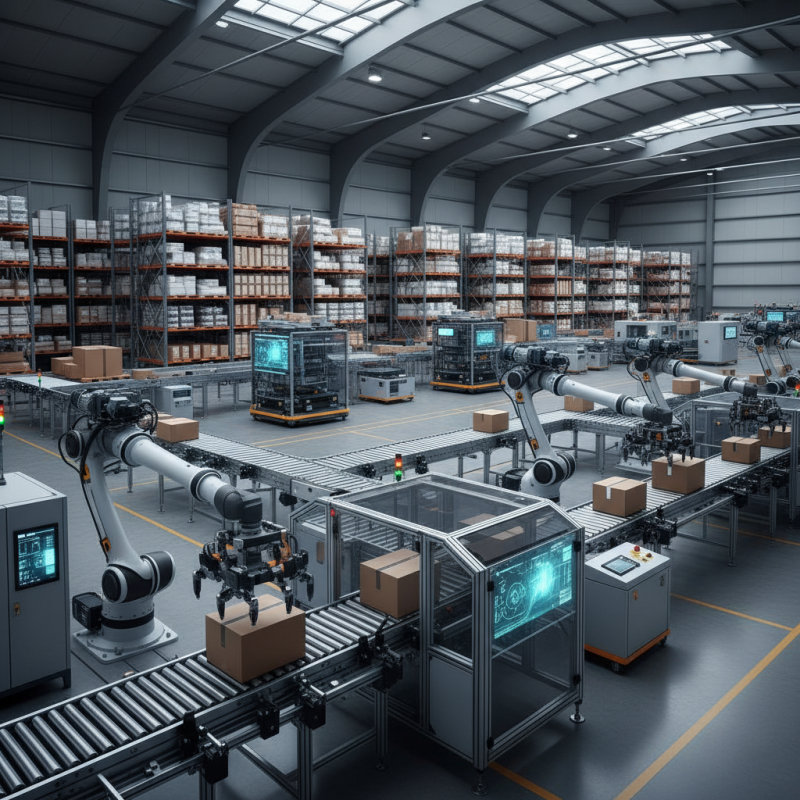
The landscape of automated packaging solutions is rapidly evolving. Recent studies indicate that by 2025, the global automated packaging market will reach over $100 billion. Businesses are increasingly adopting automation to enhance efficiency and reduce labor costs. According to industry reports, 70% of companies have started investing in automated solutions to streamline operations and meet rising consumer demands.
With an emphasis on sustainability, many emerging solutions focus on reducing waste. More businesses are integrating recyclable materials into their packaging processes. Data shows that 60% of consumers prefer brands that prioritize eco-friendly packaging. However, challenges remain. Companies must balance automation investments with sustainability goals. They also need to address the technical complexities that come with integrating new systems into existing workflows.
The shift towards real-time data integration is another trend. Companies are utilizing AI and IoT technologies to monitor packaging processes. This provides valuable insights and improves decision-making. Yet, it is crucial to recognize that reliance on technology can lead to vulnerabilities. The human element in packaging remains vital. Investing in staff training alongside automation is necessary to embrace this shift effectively.
Key Features to Consider When Choosing Packaging Automation
When considering packaging automation, focus on key features that meet your business needs. Speed is crucial. An efficient system should scale with demand. It should handle different products easily. Flexibility is vital because businesses evolve. Machines that adapt quickly save time and effort.
Look into the ease of integration. Your new solution should mesh well with existing equipment. Complex systems can stall productivity. A user-friendly interface is also important. Workers should learn the system quickly, reducing training costs. Assess the maintenance needs next. Frequent breakdowns waste time and money.
Tips: Regularly check that the chosen solution aligns with your workflow. This helps avoid disruptions. Also, pay attention to customer support. Responsive support can solve issues promptly. Ensure that the automation level fits your operations. Too much automation might complicate simple tasks.
Top 10 Automated Packaging Solutions for Modern Businesses
This bar chart illustrates the efficiency ratings of various automated packaging solutions based on their key features and ease of use, which are critical factors for modern businesses to consider when selecting packaging automation tools.
Top 10 Automated Packaging Machines for Efficiency and Cost Savings
Automated packaging machines are transforming the way businesses operate. In a recent industry report, automating packaging processes can increase efficiency by up to 30%. This jump in productivity translates directly to cost savings. With labor costs rising, companies are looking for ways to streamline operations. Incorporating automated solutions can dramatically reduce manual labor needs.
One common concern is the initial investment. While upfront costs can be significant, many businesses see returns within two years. Reports suggest that companies experience, on average, a 20% reduction in packaging material waste. This not only enhances sustainability but also contributes to overall savings. The nuances of packaging integration often lead to unexpected challenges. Companies may struggle with training staff on new technologies.
Consumer expectations are also evolving. Shoppers now demand faster delivery and improved packaging. Automated solutions meet this demand but require continuous adaptation. A recent survey showed that 50% of manufacturers are investing in smart technologies for packaging. This shift requires a mindset change. Rethinking existing processes is essential for long-term success. Embracing automation is not just about machines; it's about evolving the entire packaging strategy.
How Automated Packaging Enhances Supply Chain Management
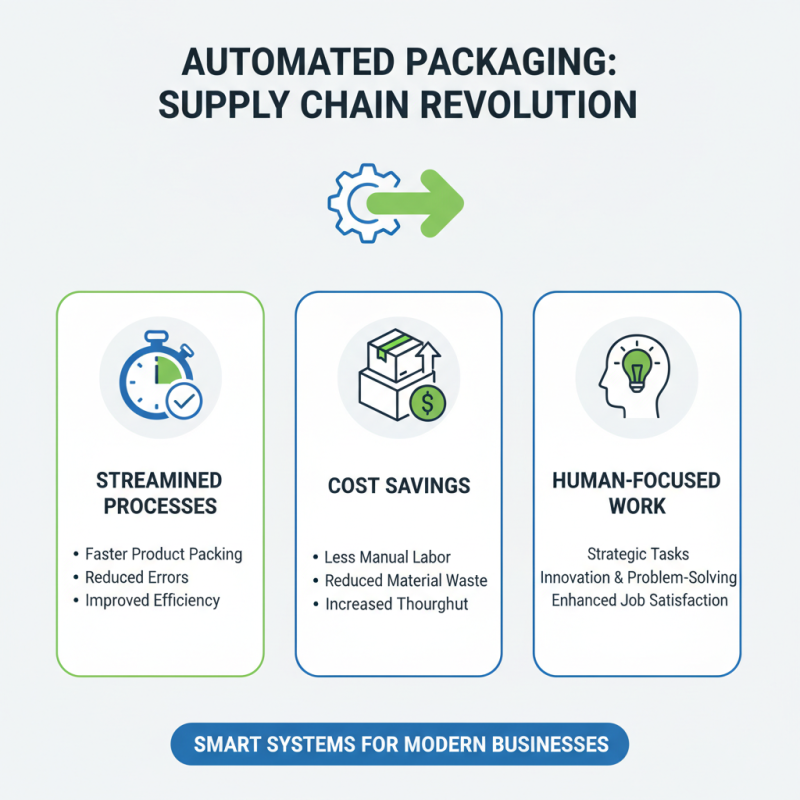
Automated packaging is reshaping supply chain management in modern businesses. It streamlines processes and reduces errors. With smart systems, companies can pack products faster. This efficiency can lead to significant savings. Workers can focus on tasks that need human insight.
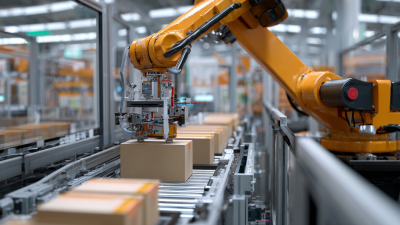
Visualize the difference: a warehouse with manual packing processes is chaotic. Items are scattered, and mistakes occur frequently. In contrast, automated solutions organize and execute packaging with precision. Robotics move swiftly, and sensors monitor conditions. Yet, some systems may fail under unexpected circumstances. Continuous monitoring is essential.
However, not all solutions fit every business. Some companies might find the cost of automation prohibitive. Evaluating return on investment is crucial. Overreliance on technology can lead to vulnerabilities. It's important to maintain a balance between human oversight and automation. Effective integration remains a challenge for many.
Case Studies: Successful Implementation of Automated Packaging Solutions
Automated packaging solutions are reshaping industries. Companies are boosting productivity while cutting costs. One notable case involved a food manufacturer that integrated an automated line. They reduced labor costs and enhanced speed. The result? A 30% increase in packing efficiency.
Tips: Start with small automation projects. Assess your team’s readiness and gather feedback. Not every solution fits every business. Choose tools that align with your operational needs.
Another case showcased an e-commerce firm. They implemented automated box-building machines. This change significantly decreased packaging waste. Efficiency improved, but challenges arose. Sometimes, machines misaligned products, causing delays. Continuous training helped minimize these issues.
Tips: Monitor performance metrics closely. Adjust your strategies based on real-time data. Automation is not a one-size-fits-all solution. Regularly review your systems to ensure they meet current needs.